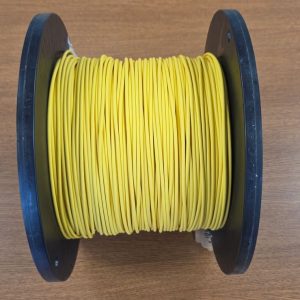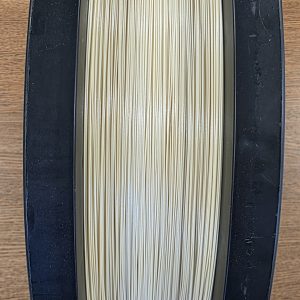

LINDEN-SPE-7110-2 Hybrid (-054) Buoyant Hybrid Cable
LINDEN-SPE-7110-2 Hybrid (-054) is a buoyant hybrid cable designed to combine optical fibre and electrical power transmission in a single lightweight construction. Its buoyant design supports reliable performance in marine, subsea, and underwater applications where controlled flotation, flexibility, and durability are essential.
Description
High-Performance Buoyant Cable for Power and Optical Communication
The LINDEN-SPE-7110-2 Hybrid (-054) Buoyant Hybrid Cable is a specialised underwater cable designed to carry optical communication and electrical power or signals within one compact, lightweight construction. Its buoyant design makes it particularly suitable for tethered marine equipment where reducing cable drag, weight and entanglement risk is important.
Developed for demanding subsea and marine environments, the cable combines reliable data transmission, electrical functionality and mechanical strength in a single integrated tether. This eliminates the need to deploy separate fibre-optic and copper cables, helping simplify system architecture while reducing overall tether diameter and handling requirements.
The LINDEN-SPE-7110-2 can be adapted to meet application-specific requirements, including conductor configuration, fibre count, buoyancy level, tensile strength, diameter and jacket material. Linden Photonics’ hybrid cable designs can combine copper and optical elements while remaining lightweight, rugged and configurable for specialist applications.
Integrated Fibre and Electrical Elements
The hybrid construction enables the cable to transmit high-speed optical data while simultaneously carrying electrical power, control signals or sensor signals.
The optical fibre component supports dependable, high-bandwidth communication over extended deployment distances. Unlike conventional copper-only communication cables, optical fibre is resistant to electromagnetic interference, making it well suited to subsea systems operating near motors, power equipment, sonar systems and other electrically noisy devices.
Integrated copper conductors can be configured according to the system’s electrical requirements. Depending on the final cable design, they may be used for:
- Supplying power to tethered equipment
- Transmitting low-voltage control signals
- Connecting sensors and monitoring instruments
- Supporting auxiliary electrical functions
- Providing communication redundancy
Combining these functions into one cable can reduce installation complexity, connector requirements and the number of components that must be managed during deployment.
Typical Applications
The LINDEN-SPE-7110-2 Hybrid (-054) Buoyant Hybrid Cable may be configured for a wide range of marine, defence, research and industrial applications, including:
Remotely Operated Vehicles
The cable can provide power, control and high-speed communication between a surface station and a compact ROV. Its buoyancy can help prevent the tether from dragging along the seabed or interfering with the vehicle.
Underwater Camera Systems
High-bandwidth optical fibres can transmit clear video and sensor data from tethered underwater cameras while integrated conductors supply power to the camera, lights and supporting equipment.
Marine Sensors and Instrumentation
The cable can connect hydrophones, water-quality sensors, sonar devices, environmental monitoring equipment and other subsea instruments to a surface control unit.
Oceanographic Research
Research teams may use the tether for sampling systems, underwater observation platforms, data-collection equipment and scientific instruments deployed from ships or coastal facilities.
Defence and Security Systems
The compact, rugged construction can support specialist surveillance, inspection, communications and remotely operated systems used in demanding maritime environments.
Offshore Inspection
The cable may be used with equipment that inspects offshore platforms, pipelines, ship hulls, underwater structures and renewable-energy installations.
Search and Recovery Operations
Buoyant hybrid tethers can support underwater cameras, robotic systems and sensing equipment used to locate and examine submerged objects.
Custom Engineering Options
The LINDEN-SPE-7110-2 can be engineered around the electrical, optical and mechanical needs of a specific system.
Available customisation options may include:
- Single-mode or multimode optical fibres
- Alternative optical fibre counts
- Different copper conductor sizes
- Power and signal conductor combinations
- Shielded electrical elements
- Custom tensile-strength members
- Positive or neutral buoyancy
- Application-specific cable diameter
- Custom jacket compounds
- Alternative jacket colours
- Pressure-resistant construction
- Special connector and termination requirements
- Continuous manufacturing lengths
Final cable specifications should be confirmed with Linden Photonics according to operating depth, required power, fibre type, tensile load, deployment method and environmental exposure.
Key Benefits
- Combines optical communication and electrical functionality
- Reduces the need for multiple separate cables
- Buoyant construction improves underwater tether management
- Supports high-bandwidth, interference-resistant data transmission
- Compact and lightweight for easier deployment
- Designed for challenging marine environments
- Configurable tensile strength and working load
- Suitable for repeated flexing and reel deployment
- Can be customised for specialist underwater systems
- Helps reduce cable drag and seabed contact
Typical Applications
The LINDEN-SPE-7110-2 Hybrid (-054) Buoyant Hybrid Cable may be configured for a wide range of marine, defence, research and industrial applications, including:
Remotely Operated Vehicles
The cable can provide power, control and high-speed communication between a surface station and a compact ROV. Its buoyancy can help prevent the tether from dragging along the seabed or interfering with the vehicle.
Underwater Camera Systems
High-bandwidth optical fibres can transmit clear video and sensor data from tethered underwater cameras while integrated conductors supply power to the camera, lights and supporting equipment.
Marine Sensors and Instrumentation
The cable can connect hydrophones, water-quality sensors, sonar devices, environmental monitoring equipment and other subsea instruments to a surface control unit.
Oceanographic Research
Research teams may use the tether for sampling systems, underwater observation platforms, data-collection equipment and scientific instruments deployed from ships or coastal facilities.
Defence and Security Systems
The compact, rugged construction can support specialist surveillance, inspection, communications and remotely operated systems used in demanding maritime environments.
Offshore Inspection
The cable may be used with equipment that inspects offshore platforms, pipelines, ship hulls, underwater structures and renewable-energy installations.
Search and Recovery Operations
Buoyant hybrid tethers can support underwater cameras, robotic systems and sensing equipment used to locate and examine submerged objects.
Custom Engineering Options
The LINDEN-SPE-7110-2 can be engineered around the electrical, optical and mechanical needs of a specific system.
Available customisation options may include:
- Single-mode or multimode optical fibres
- Alternative optical fibre counts
- Different copper conductor sizes
- Power and signal conductor combinations
- Shielded electrical elements
- Custom tensile-strength members
- Positive or neutral buoyancy
- Application-specific cable diameter
- Custom jacket compounds
- Alternative jacket colours
- Pressure-resistant construction
- Special connector and termination requirements
- Continuous manufacturing lengths
Final cable specifications should be confirmed with Linden Photonics according to operating depth, required power, fibre type, tensile load, deployment method and environmental exposure.
Key Benefits
- Combines optical communication and electrical functionality
- Reduces the need for multiple separate cables
- Buoyant construction improves underwater tether management
- Supports high-bandwidth, interference-resistant data transmission
- Compact and lightweight for easier deployment
- Designed for challenging marine environments
- Configurable tensile strength and working load
- Suitable for repeated flexing and reel deployment
- Can be customised for specialist underwater systems
- Helps reduce cable drag and seabed contact