
Introduction
As demand for faster, more reliable data transmission continues to grow, fiber optic networks have become the backbone of modern communication systems. From data centres and telecom networks to enterprise IT environments, fiber optics enable high-speed, low-latency connectivity. Among the many components that make these networks function seamlessly, fiber optic patch cables play a crucial yet often underestimated role.
This blog explores the versatility of patch cables in fiber optic networks, their types, applications, benefits, and why they are indispensable in today’s connected world.
What Are Fiber Optic Patch Cables?
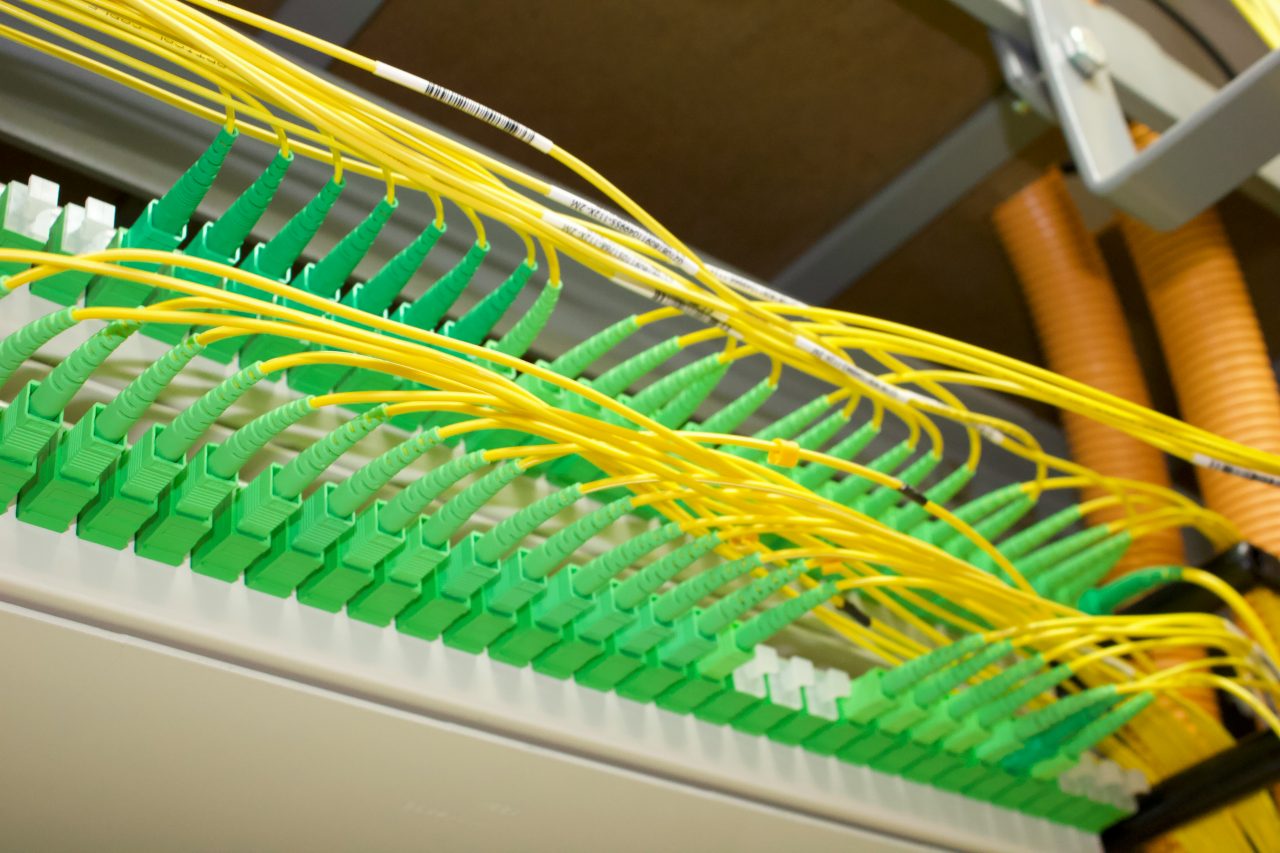
Fiber optic patch cables, also known as fiber patch cords or jumper cables, are short, flexible fiber cables with connectors on both ends. They are used to connect different optical devices within a network, such as switches, routers, servers, patch panels, and optical transceivers.
Their primary function is to create quick, reliable connections while maintaining signal integrity across the network.
Why Patch Cables Are Critical in Fiber Networks
Patch cables serve as the final connection point between critical network components. Even with high-quality backbone cabling, poor patch cables can result in signal loss, downtime, and performance issues.
Key reasons patch cables are essential include:
- Fast and flexible connectivity
- Easy installation and replacement
- Support for network scalability
- Reduced signal attenuation when properly selected
They allow network engineers to configure, reconfigure, and expand networks efficiently.
Types of Fiber Optic Patch Cables
- Single-Mode Patch Cables
Single-mode patch cables are designed for long-distance transmission. They use a small core diameter and laser light sources, making them ideal for telecom networks, long-haul communication, and high-speed data centre interconnections.
They are commonly used where minimal signal loss and maximum bandwidth are required.
- Multimode Patch Cables
Multimode patch cables are used for shorter distances, typically within buildings or campuses. They have a larger core diameter and support multiple light paths.
These cables are cost-effective and widely used in LANs, enterprise networks, and data centres.
Connector Types and Their Applications
The versatility of patch cables is also influenced by connector types. Different connectors are chosen based on network requirements and device compatibility.
Common connector types include:
- LC connectors – Compact, ideal for high-density environments
- SC connectors – Durable and easy to use
- ST connectors – Common in legacy systems
- FC connectors – Used in high-vibration environments
The correct connector choice ensures stable connections and optimal performance.
Patch Cables in Data Centres
In modern data centres, patch cables play a vital role in managing complex, high-density networks. They are used to connect servers, switches, and storage systems while supporting rapid configuration changes.
Their flexibility allows:
- Efficient cable management
- Reduced downtime during upgrades
- Improved airflow and organisation
High-quality patch cables help data centres meet growing bandwidth demands without compromising reliability.
Role in Telecom and ISP Networks
Telecommunication providers rely heavily on fiber optic patch cables for interconnecting network equipment at central offices, distribution hubs, and access points.
Patch cables support:
- High-speed data transmission
- Reliable signal continuity
- Quick troubleshooting and maintenance
Their modular nature enables faster service deployment and easier network expansion.
Use in Enterprise and Industrial Networks
In enterprise environments, patch cables connect networking equipment across offices, campuses, and industrial facilities. They are widely used in structured cabling systems to link patch panels with active devices.
Industrial-grade patch cables are also designed to withstand harsh environments, offering resistance to vibration, temperature changes, and physical stress.
Flexibility and Scalability Benefits
One of the biggest advantages of fiber optic patch cables is their flexibility. They make it easy to adapt networks to changing requirements without extensive rewiring.
Benefits include:
- Easy reconfiguration during upgrades
- Minimal disruption to existing infrastructure
- Support for future network expansion
This scalability makes patch cables a smart long-term investment.
Performance and Signal Integrity
High-quality patch cables are engineered to minimise insertion loss and back reflection, which are critical for maintaining signal quality. Poor-quality cables can degrade network performance even if the main fiber infrastructure is robust.
Choosing certified and tested patch cables ensures:
- Consistent data transmission
- Reduced network errors
- Improved overall system reliability
Importance of Quality and Standards
Not all patch cables are created equal. Compliance with international standards ensures compatibility and performance consistency.
Key quality considerations include:
- Precision-polished connectors
- Low insertion and return loss
- Durable cable jackets
- Factory testing and certification
Investing in quality patch cables reduces maintenance costs and extends network lifespan.
Cable Management and Organization
Patch cables also play an important role in network organisation. Proper cable management improves airflow, simplifies troubleshooting, and enhances safety.
Using colour-coded patch cables can help:
- Identify connections easily
- Reduce human error
- Improve documentation accuracy
Good organisation contributes to better operational efficiency.
Choosing the Right Patch Cable for Your Network
Selecting the right patch cable depends on several factors:
- Distance requirements
- Single-mode or multimode compatibility
- Connector type
- Environmental conditions
- Network speed and bandwidth needs
Consulting with fiber optic specialists ensures the right choice for your specific application.
Future-Proofing Fiber Networks
As technologies such as 5G, cloud computing, and IoT continue to evolve, fiber networks must support increasing data demands. Patch cables designed for high performance and scalability help future-proof network infrastructure.
Upgrading patch cables is often a cost-effective way to improve network performance without major structural changes.
Conclusion
Fiber optic patch cables may be small components, but their impact on network performance is significant. Their versatility, flexibility, and reliability make them essential in data centres, telecom networks, enterprise systems, and industrial environments.
By choosing the right type, quality, and configuration of patch cables, organisations can ensure efficient connectivity, reduced downtime, and long-term network scalability. In modern fiber optic networks, patch cables are not just accessories, they are critical enablers of high-speed, reliable communication.