LINDEN-SPE-7059-13 High-Strength Buoyant 2000
High-strength buoyant fiber optic cable for underwater, marine, offshore, subsea, tactical, and field-deployable communication systems. Designed for strength, flexibility, and reliable optical transmission.
Description
High-Strength Buoyant 2000 Fiber Optic Cable
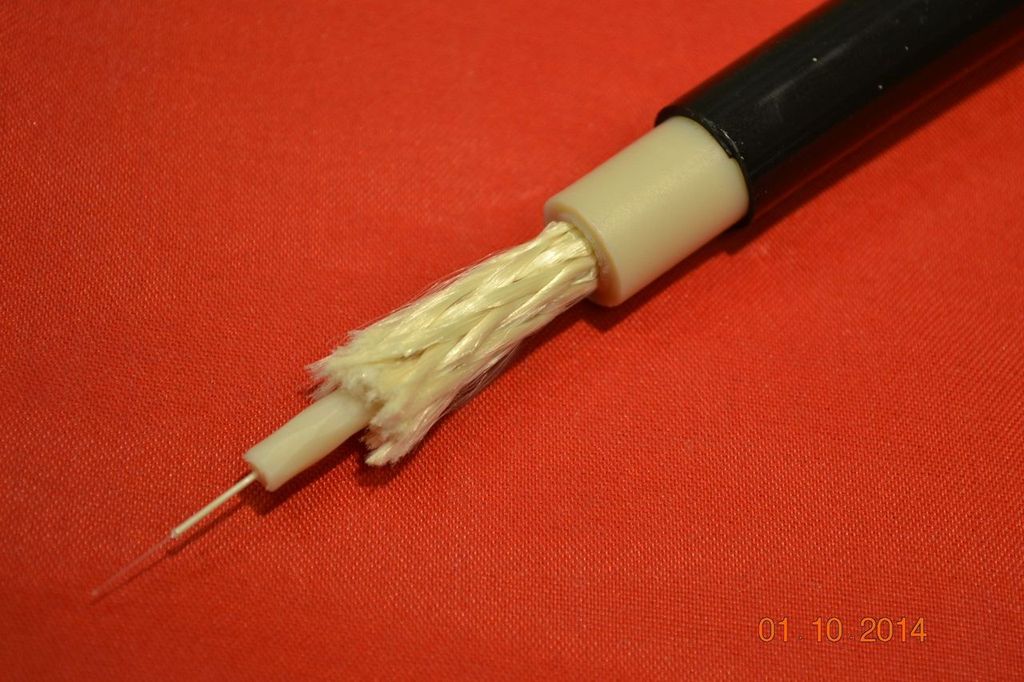
LINDEN-SPE-7059-13 is a high-strength buoyant fiber optic cable designed for demanding underwater, marine, offshore, and tactical communication applications where strength, flexibility, and controlled buoyancy are required. This cable is engineered to remain lightweight in water while providing reliable optical signal transmission in challenging operating environments.
The High-Strength Buoyant 2000 construction is suitable for applications where the cable may be deployed, retrieved, handled, or repositioned regularly. Its buoyant outer structure helps reduce underwater drag and cable loading, while the reinforced internal design supports dependable performance during field use.
Key Features
- High-strength buoyant fiber optic cable construction
- Designed for underwater and marine communication systems
- Lightweight handling with excellent flexibility
- Buoyant outer layer helps reduce sinking and cable strain
- Suitable for repeated deployment and retrieval
- Durable jacket for abrasion and environmental resistance
- Designed to support reliable optical transmission
- Ideal for offshore, subsea, tactical, and field-deployable systems
Applications
LINDEN-SPE-7059-13 High-Strength Buoyant 2000 is suitable for:
- Underwater fiber optic communication
- Remotely operated vehicle support systems
- Marine research and survey equipment
- Offshore monitoring systems
- Tactical underwater communication links
- Temporary subsea cable deployment
- Sensor, sonar, and instrumentation connections
- Defense, naval, and oceanographic applications
Product Description
The LINDEN-SPE-7059-13 cable is built for applications where standard fiber optic cables may be too heavy, fragile, or difficult to manage in underwater conditions. Its buoyant construction helps the cable remain easier to control in water, reducing the risk of snagging, excessive tension, or cable damage during deployment.
The cable is designed with a strong internal structure to support mechanical durability while maintaining flexibility. This makes it well suited for systems that require repeated movement, portable deployment, or operation in harsh marine environments.