
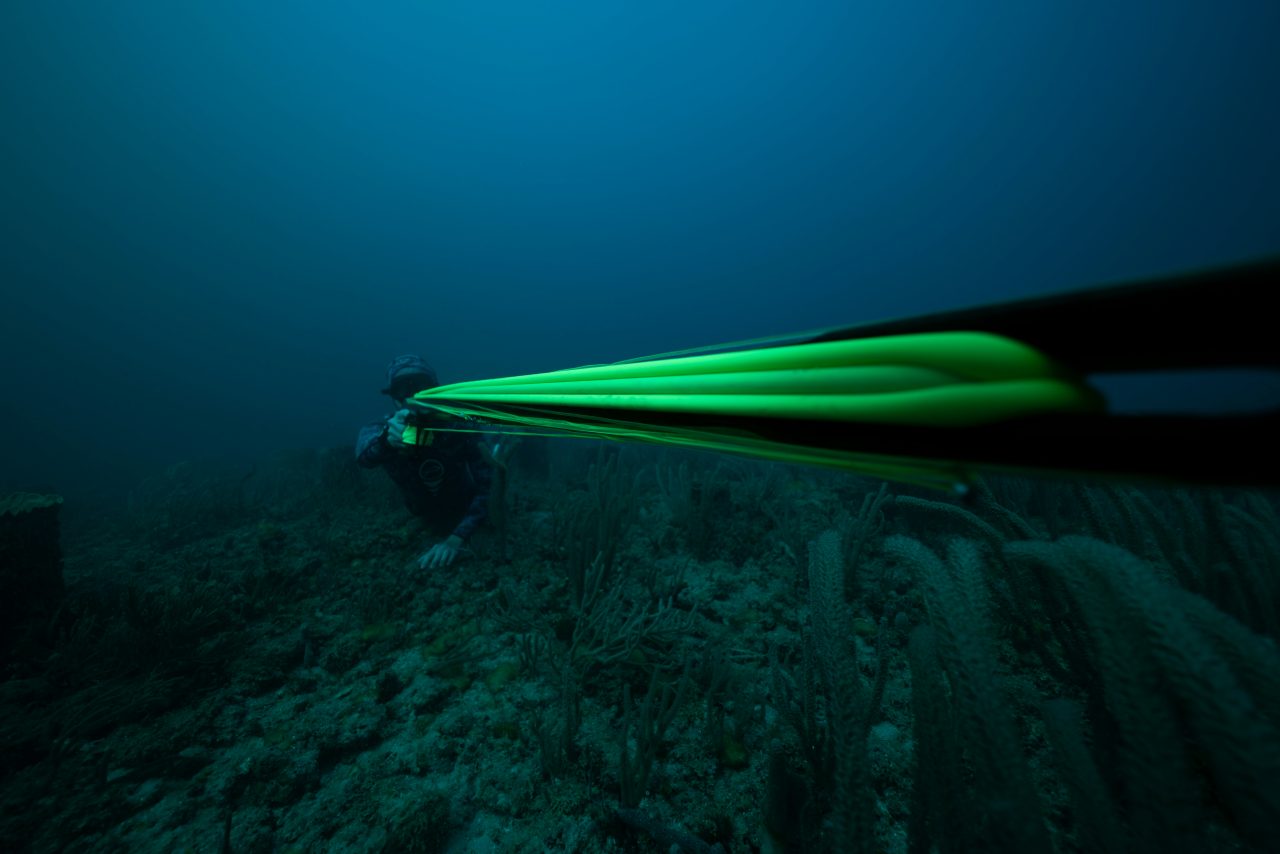
Underwater fiber optic cables are used in some of the most demanding environments in the world. They may support ROVs, subsea sensors, oceanographic instruments, marine research equipment, defense systems, offshore monitoring platforms or underwater communication links. In these applications, the cable must do more than transmit data. It must survive water exposure, mechanical stress, handling, bending, abrasion, deployment forces and environmental conditions.
Choosing the right underwater fiber optic cable requires a careful look at the complete system. Fiber count and data rate matter, but so do cable strength, jacket material, buoyancy, flexibility, conductor requirements and deployment method. A cable that works well in one underwater application may not be suitable for another.
Start With the Application
The first step is to understand how the cable will be used. An ROV tether has different requirements from a fixed subsea sensor cable. A cable used in shallow water inspection may not need the same construction as one used for offshore monitoring. A temporary research deployment may have different priorities than a long-term installed system.
For example, an ROV tether must move with the vehicle. It should be flexible, manageable and designed to reduce drag or unwanted load on the ROV. A cable for a fixed underwater sensor may place more emphasis on long-term durability, water resistance and stable placement. A marine research cable may need repeated deployment and recovery, meaning handling strength and bend performance become very important.
Before selecting a cable, define the operating depth, length, movement, load, environment and data requirements.
Fiber Type and Fiber Count
The optical fiber inside the cable should match the communication requirement. Singlemode fiber is often chosen for longer-distance links, high-bandwidth data transmission and systems where low attenuation is important. Multimode fiber may be used for shorter-distance communication where the system is designed for it.
Fiber count depends on the equipment. Some systems need only one or two fibers. Others require multiple fibers for redundancy, separate communication channels, video, control or sensor data. In underwater systems, adding more fibers can affect the cable design, so the fiber count should be selected based on actual system needs rather than guesswork.
It is also important to consider future requirements. If a system may be upgraded later, extra fibers may be useful. However, unnecessary fiber count can increase complexity and cost, so the decision should be balanced.
Does the Cable Need Copper Conductors?
Many underwater systems need electrical conductors in addition to fiber. Conductors may be used for power, control, signal transmission or sensor operation. In this case, a hybrid underwater cable may be the best option.
A hybrid cable combines optical fibers and copper conductors inside one cable. This can reduce the need for separate power and data cables, making deployment easier. However, copper conductors add weight and affect flexibility, buoyancy and diameter. The conductor gauge must be selected based on voltage, current, distance and system requirements.
For ROVs and underwater sensors, hybrid construction can be very useful, but it must be engineered carefully.
Buoyancy Requirements
Buoyancy is a major factor in underwater cable performance. A cable may be positively buoyant, neutrally buoyant or negatively buoyant depending on the application.
A buoyant cable may help reduce load on an ROV or keep the cable away from the seabed. A neutrally buoyant cable may provide smoother handling in the water column. A negatively buoyant cable may be preferred when the cable needs to remain on or near the bottom.
The best option depends on the environment and equipment. In moving water, shallow water, inspection work or tethered vehicle use, buoyancy can strongly affect handling and control. If the cable is too heavy, it may drag the equipment down. If it is too buoyant, it may float into unwanted areas or become difficult to manage.
For this reason, buoyancy should be designed, not guessed.
Mechanical Strength and Tensile Load
Underwater cables often experience pulling forces during deployment, recovery and operation. A cable used as a tether may also be exposed to dynamic loads when the vehicle moves. The cable must be strong enough to handle these forces without transferring damaging strain to the optical fibers.
Strength members are used to carry mechanical loads and protect the fiber. The required tensile strength depends on cable length, equipment weight, deployment method, water movement and risk of snagging.
A cable should not be selected only based on optical performance. If it cannot handle mechanical stress, it may fail in the field.
Jacket Material and Environmental Protection
The outer jacket protects the cable from water, abrasion, handling damage, chemicals, UV exposure and general wear. For underwater use, the jacket must be suitable for marine conditions and the expected deployment environment.
A cable used near rocks, structures, docks or offshore equipment may need strong abrasion resistance. A cable exposed to sunlight before deployment may need UV resistance. A cable used around industrial or offshore equipment may need chemical or oil resistance.
The jacket also affects flexibility, weight and buoyancy. Choosing the right material is an important part of underwater cable design.
Flexibility and Bend Radius
Underwater cables are often coiled, stored, transported and deployed repeatedly. If the cable is too stiff, it can be difficult to handle. If it is bent too sharply, optical performance can suffer. Bend radius is especially important for fiber optic cables because excessive bending can cause signal loss or fiber damage.
A good underwater cable design balances strength with flexibility. The cable should be rugged enough to survive the environment but practical enough for operators to use.
Connector and Assembly Considerations
The cable itself is only part of the system. Connectors, terminations and assemblies must also be suitable for the application. A strong cable with weak terminations can still fail. The connector choice may depend on the equipment interface, sealing requirements, handling method and environmental exposure.
For custom underwater systems, cable and assembly design should be considered together.
Common Mistakes to Avoid
One common mistake is choosing a cable based only on fiber count. Another is ignoring buoyancy until late in the design process. Some buyers select a cable that is too heavy, too stiff or not rugged enough for repeated deployment. Others underestimate the effect of copper conductors on cable weight and flexibility.
Another mistake is using a standard indoor or outdoor cable in an underwater application. Marine and subsea environments require purpose-built construction.
Conclusion
Choosing an underwater fiber optic cable requires more than selecting singlemode or multimode fiber. The cable must match the full operating environment, including water exposure, tensile load, buoyancy, flexibility, jacket durability and any electrical conductor requirements.
For ROVs, underwater sensors and marine systems, a custom cable can provide the right balance of optical performance, mechanical strength and handling behavior. By considering the complete system early, buyers can avoid cable failures, improve deployment performance and support reliable underwater communication.