LINDEN-SPE-7107-16 Hybrid (-049) Buoyant Hybrid Cable
The LINDEN-SPE-7107-16 Hybrid (-049) Buoyant Hybrid Cable is a rugged, lightweight, and flexible hybrid cable designed for applications that require both optical data transmission and electrical power or signal conductors in a single buoyant cable structure. Built for demanding underwater, marine, robotic, sensing, and defense-related environments, this cable provides reliable communication, mechanical durability, and controlled buoyancy for dynamic deployment conditions.
Description
Product Overview
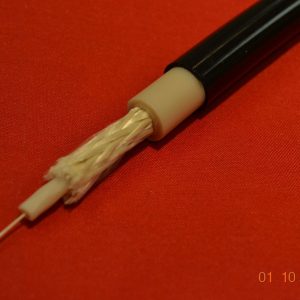
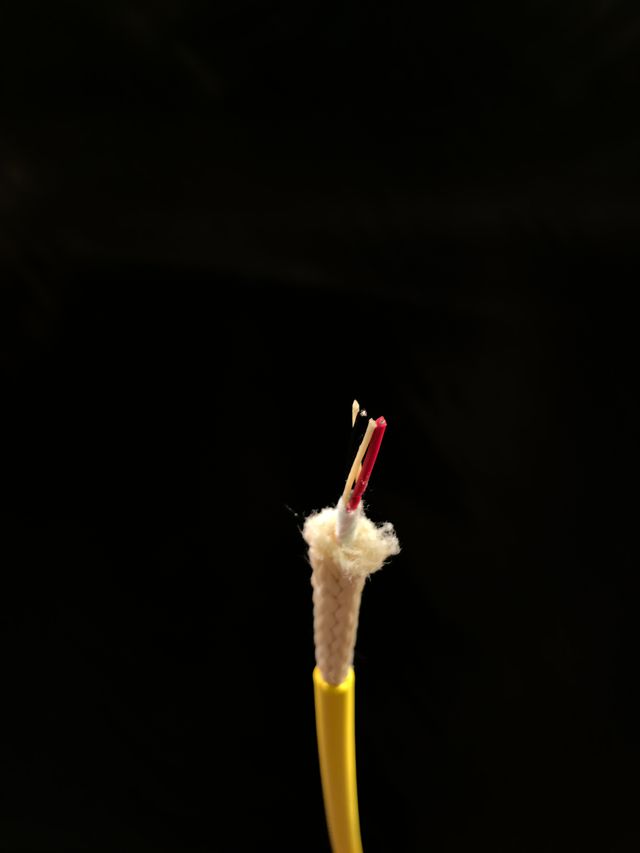
The LINDEN-SPE-7107-16 Hybrid (-049) Buoyant Hybrid Cable is engineered for systems where fiber optic communication and copper functionality must be combined without increasing cable size, weight, or handling complexity. As a hybrid buoyant cable, it integrates optical fiber elements with electrical conductors inside a robust cable construction, allowing one cable to support high-speed data, control signals, and power delivery where required.
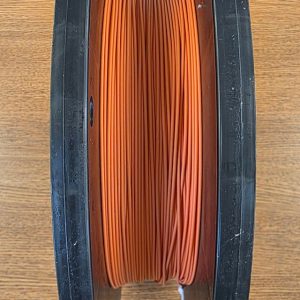
This cable is suitable for underwater and surface-deployed systems where flotation, flexibility, and strength are important. Its buoyant design helps reduce drag and cable loading in water, making it useful for tethered vehicles, sensor platforms, marine instrumentation, and portable field systems. Linden Photonics’ hybrid cable designs are known for combining fiber and copper in compact, customizable cable constructions for demanding operational environments.
The SPE-7107-16 variant is part of the LINDEN-SPE-7107 buoyant hybrid cable family and is intended for applications that need a balance of optical performance, rugged handling, and dependable mechanical behavior. The (-049) configuration can be used to identify a specific build variation, allowing the cable to be matched to project requirements such as fiber count, conductor layout, strength member selection, jacket material, buoyancy level, or termination style.
Key Features
- Hybrid fiber and copper construction for combined optical data and electrical functionality
- Buoyant cable design suitable for marine and underwater deployment
- Lightweight and flexible structure for easy handling, routing, and repeated use
- Rugged outer jacket designed for demanding field and subsea conditions
- High-speed optical transmission capability for sensors, cameras, control systems, and data links
- Electrical conductor integration for power, signal, or control applications
- Compact cable profile to reduce system complexity compared with using separate power and fiber cables
- Suitable for custom configurations depending on application requirements
- Designed for dynamic environments where bending, movement, and deployment stress are expected
- Ideal for tethered platforms, marine systems, and remote equipment
Applications
The LINDEN-SPE-7107-16 Hybrid (-049) Buoyant Hybrid Cable can be used in a wide range of applications where data, power, and buoyancy are required in one cable system.
Common applications include:
- Remotely operated vehicles
- Unmanned underwater systems
- Marine robotics
- Underwater sensor arrays
- Towed sensing platforms
- Oceanographic instruments
- Defense and surveillance systems
- Littoral water monitoring
- Portable subsea equipment
- Camera and imaging tethers
- Research and test systems
- Hybrid power and communication links
Hybrid fiber/copper cables are commonly selected when a system needs to transmit data through optical fiber while also supplying power or control through copper conductors. This reduces cable count, simplifies installation, and improves deployment efficiency.
Construction and Design Benefits
The cable is designed to combine multiple functions into one integrated cable assembly. The optical fiber portion supports high-bandwidth communication with low signal loss, while the copper elements can be used for electrical power, control, or low-voltage signal transmission. This hybrid approach is useful in systems where space, weight, and deployment time are important.
The buoyant construction helps the cable remain easier to manage in water. Instead of sinking heavily and increasing drag or strain on the connected equipment, the cable can be designed to maintain a more controlled position in the water column. This is particularly important for underwater vehicles, floating sensor systems, and temporary marine deployments.
The rugged cable jacket helps protect the internal fiber and conductor elements against abrasion, moisture exposure, handling stress, and environmental wear. Depending on the final project specification, the cable may be configured for different strength levels, jacket materials, fiber types, conductor arrangements, and termination options.
Performance Advantages
The LINDEN-SPE-7107-16 Hybrid (-049) Buoyant Hybrid Cable helps improve system reliability by reducing the need for multiple separate cables. A single hybrid cable can simplify routing, reduce tangling, lower deployment weight, and improve field handling. For equipment that must operate in wet, submerged, or mobile conditions, this can make the overall system easier to install, recover, and maintain.
Its fiber optic elements are suitable for high-speed communication, video transmission, sensor data, telemetry, and control links. The copper elements allow the same cable to carry power or electrical signals, depending on the system design. This makes the cable a strong choice for integrated subsea and marine platforms that need dependable communication and electrical capability in a single tether.