
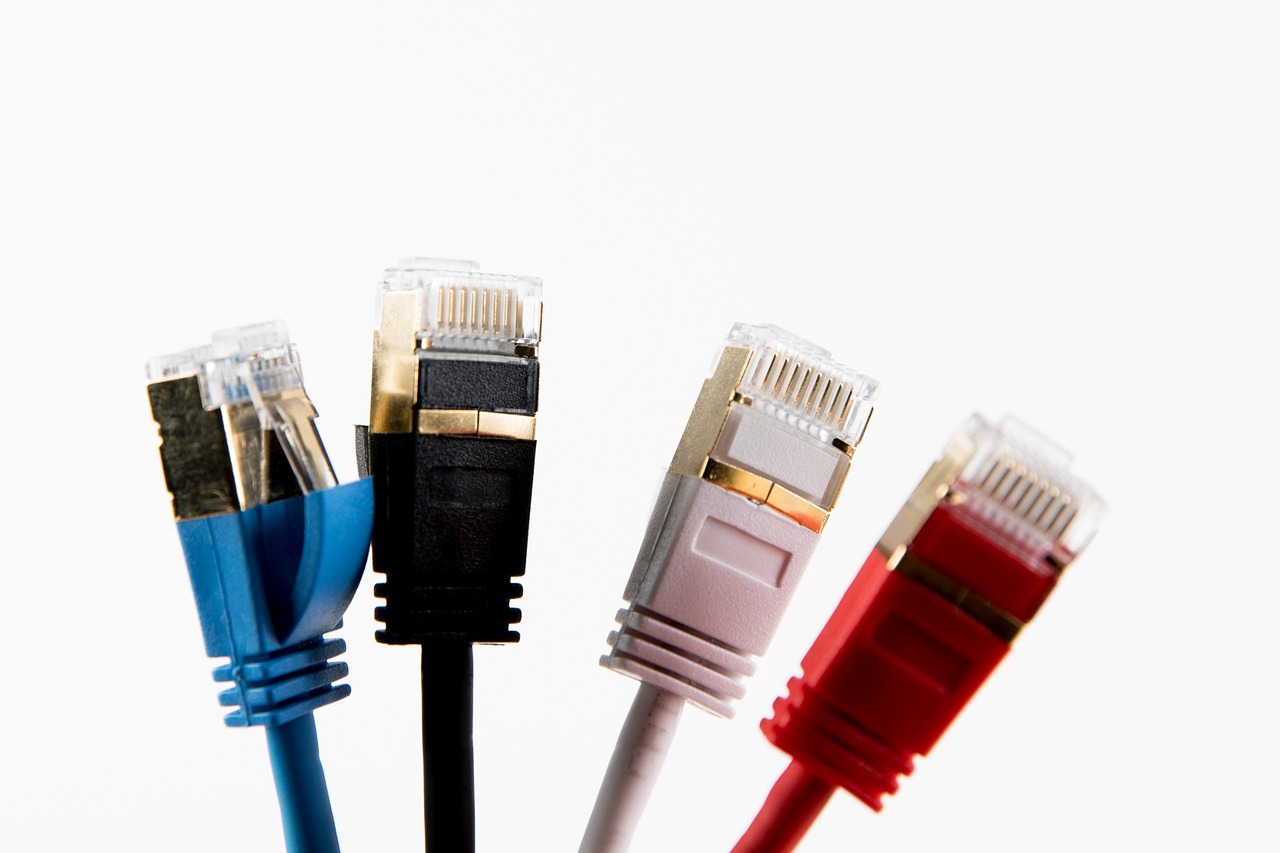
Cables form the backbone of modern networking, ensuring that devices communicate seamlessly in homes, offices, and data centers. Among the most common terms you’ll hear are patch cable and Ethernet cable. Although people often use these terms interchangeably, there are distinct differences between them in terms of design, purpose, and application. Understanding these differences can help you choose the right cable for your specific networking needs.
In this blog, we’ll explore what patch cables and Ethernet cables are, how they differ, and when to use each.
Understanding Ethernet Cables
An Ethernet cable is a general term for the cables used to connect devices within a wired network. They transmit data via electrical signals and allow computers, routers, switches, and other devices to communicate.
Ethernet cables are categorized based on their performance standards, such as Cat5e, Cat6, Cat6a, Cat7, and Cat8. Each category specifies the maximum data transfer speeds and bandwidth capabilities. For example, Cat6 cables can support up to 10 Gbps over short distances, while Cat8 is designed for high-speed data center applications.
Ethernet cables can be:
- Shielded (STP): Designed to reduce interference.
- Unshielded (UTP): More common for home and office use.
- Solid core: Better for long distances and permanent installations.
- Stranded core: More flexible, ideal for shorter connections.
In short, Ethernet cables provide the foundation for wired networking, offering stable and reliable data transfer.
Understanding Patch Cables
A patch cable is a type of Ethernet cable, but it is designed for specific short-distance applications. These cables typically connect end devices to networking hardware, such as connecting a computer to a router or a switch to a patch panel.
Patch cables are usually:
- Shorter in length: Typically under a few meters.
- Flexible: Made with stranded conductors to withstand frequent plugging and unplugging.
- Factory-terminated: They come with RJ45 connectors pre-attached, ready for immediate use.
They are often found in offices, server rooms, and homes where quick, temporary, or short-range connections are required.
Key Differences Between Patch Cables and Ethernet Cables
While patch cables fall under the broader category of Ethernet cables, there are specific differences between the two.
- Purpose
- Ethernet cable: Refers broadly to any cable used for Ethernet networking, including long-distance permanent installations.
- Patch cable: A subset of Ethernet cables, primarily used for short connections between devices or networking hardware.
- Length
- Ethernet cables can be very long (up to 100 meters or more depending on the category).
- Patch cables are generally short, often ranging from 0.5 to 5 meters.
- Flexibility
- Ethernet cables with solid conductors are rigid and designed for permanent runs inside walls or ceilings.
- Patch cables use stranded conductors, making them flexible for frequent handling.
- Installation
- Ethernet cables may require manual termination with connectors during installation.
- Patch cables come pre-terminated with connectors, ready to plug and use.
- Environment of Use
- Ethernet cables are common in structured cabling systems, permanent setups, and large networks.
- Patch cables are often found in data centers, patch panels, and office environments for connecting end devices.
When to Use Ethernet Cables
Ethernet cables are best suited for:
- Permanent installations: Running through walls, ceilings, or conduits for long-term networking setups.
- Long-distance connections: Solid-core Ethernet cables provide stable performance over longer runs.
- High-speed networks: Cat6a, Cat7, or Cat8 Ethernet cables support ultra-fast speeds needed for servers or data centers.
- Reducing wireless reliance: Ethernet cables provide more reliable, stable, and faster connections than Wi-Fi.
Example: If you are wiring a new office building, you’d use solid-core Ethernet cables to run through walls and ceilings from a central switch to each desk.
When to Use Patch Cables
Patch cables are ideal for:
- Short-distance connections: Between devices and network outlets, such as connecting a computer to a wall port.
- Data centers: To connect servers, switches, and patch panels.
- Flexibility needs: When cables are frequently plugged, unplugged, or moved.
- Temporary setups: Perfect for testing equipment or creating quick, short-term connections.
Example: In a server room, patch cables are used to connect switches on the rack to a patch panel, enabling efficient and organized cabling.
Common Misconceptions
- All Ethernet cables are patch cables: This is incorrect. While all patch cables are Ethernet cables, not all Ethernet cables are patch cables.
- Patch cables cannot handle high speeds: Patch cables of the right category (e.g., Cat6 or Cat6a) can support the same speeds as long Ethernet cables, but they are intended for shorter runs.
- You can use any Ethernet cable for any purpose: The type of Ethernet cable (solid vs. stranded, shielded vs. unshielded) makes a big difference in performance and durability, depending on the use case.
Choosing the Right Cable
When deciding between patch cables and Ethernet cables, consider:
- Distance: Use patch cables for short distances and Ethernet cables for longer runs.
- Application: Patch cables for flexibility and quick device connections; Ethernet cables for structured installations.
- Category: Always choose a cable category that supports the speed and bandwidth your network requires. For example, Cat6 is suitable for most home and office networks, while Cat8 is better for data centers.
Practical Example: Setting Up a Small Office Network
Imagine you are setting up a small office:
- You’d run Ethernet cables (solid-core) through the walls to connect different rooms to a central networking rack.
- At the networking rack, you’d use patch cables (stranded-core) to connect the patch panel to the switch.
- Employees would use patch cables to connect their computers to the wall outlets.
This combination ensures efficiency, durability, and flexibility.
Final Thoughts
Both Ethernet cables and patch cables play critical roles in networking. Ethernet cables form the permanent backbone of a network, providing long-distance stability and reliability. Patch cables, on the other hand, bring flexibility, making short connections between devices and hardware quick and easy.
Understanding when and where to use each ensures your network performs at its best, whether you’re wiring a home, managing an office setup, or working in a data center.