
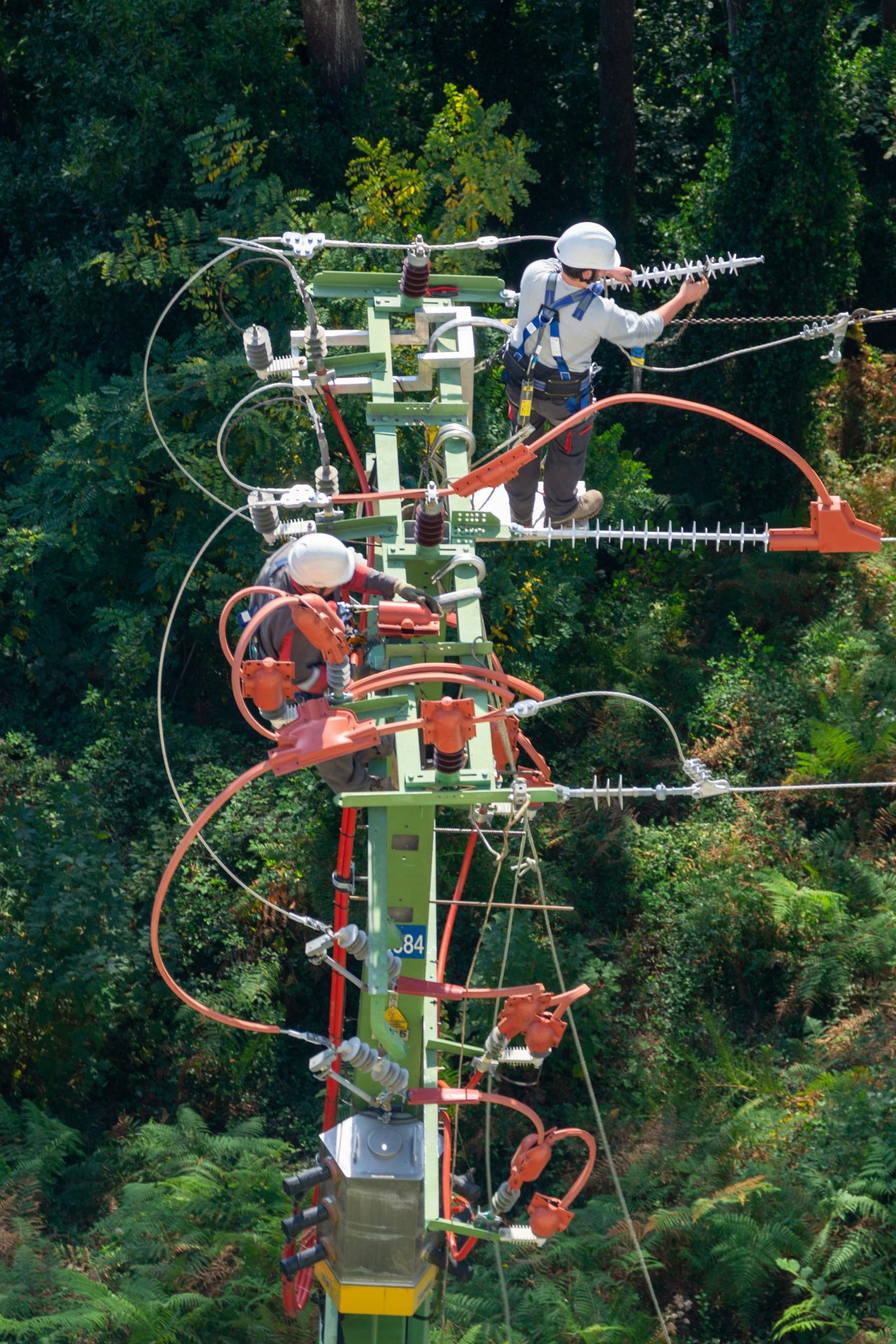
Fiber-optic technology has revolutionized the way data is transmitted across the world. Known for its high speed, reliability, and capacity, fiber-optic communication forms the backbone of today’s internet, telecommunication, and broadcasting networks. While fiber cables can be installed underground, underwater, or through conduits, aerial fiber-optic installation has emerged as one of the most common and practical methods in many regions.
This approach involves installing fiber-optic cables on existing utility poles, transmission lines, or other overhead infrastructure. Its popularity comes from its cost-effectiveness, speed of deployment, and accessibility. In this blog, we’ll explore the significance of aerial fiber-optic installation, the process, its advantages and challenges, and why it continues to play a vital role in global optical communication.
Understanding Aerial Fiber-Optic Installation
Aerial fiber installation refers to mounting fiber-optic cables above ground, typically attached to poles, towers, or other structures. These cables can either be:
- Lashed cables: Fiber cables attached to an existing messenger wire using lashing wires.
- Self-supporting cables (ADSS – All-Dielectric Self-Supporting): Designed to carry their own weight without additional support.
- Figure-8 cables: Built with a steel messenger integrated into the design for extra strength.
This method has been used for decades in the telecommunications industry, but the demand for high-speed broadband and 5G connectivity has brought it into the spotlight again.
Why Aerial Installation is Popular in Optical Communication
- Cost-Effectiveness
Compared to underground installations, aerial deployment is far cheaper. Digging trenches, laying conduits, and restoring surfaces like roads and pavements make underground fiber projects expensive and time-consuming. Aerial methods avoid these costs by using existing infrastructure.
- Faster Deployment
Since poles and overhead lines already exist in most urban and suburban areas, aerial fiber can be installed quickly. This makes it an ideal solution for regions aiming to roll out broadband services rapidly.
- Flexibility
Upgrading or maintaining aerial fiber is much easier than working underground. Technicians can access poles directly without excavation, making repairs faster and less disruptive.
- Rural Connectivity
In rural or remote areas, where underground installation may not be practical due to terrain or cost, aerial fiber offers a reliable and efficient alternative.
The Process of Aerial Fiber-Optic Installation
The installation process involves several key steps:
- Route Survey and Planning
Before deployment, engineers conduct surveys to assess the suitability of poles and infrastructure along the proposed route. Factors such as pole height, spacing, clearances, and existing load capacities are evaluated.
- Design and Cable Selection
Depending on the environment and requirements, engineers select suitable cable types – ADSS cables for areas without supporting wires or lashed cables for areas with messenger wires. Special coatings or jackets may be chosen to withstand weather or UV exposure.
- Pole Preparation
Poles may need reinforcement, replacement, or new hardware installation to accommodate the cables safely. Brackets, clamps, or additional messenger wires may be added.
- Cable Installation
Technicians string the fiber cables along the route, securing them to poles using lashing machines, suspension clamps, or other specialized equipment. Tension and sag are carefully managed to prevent cable damage.
- Splicing and Testing
At intervals, fibers are spliced to maintain continuous transmission paths. Testing ensures minimal signal loss and verifies network performance.
- Documentation and Maintenance Planning
The final step involves documenting the installation route and planning maintenance schedules to keep the network reliable over time.
Advantages of Aerial Fiber Installation
- Lower Initial Costs
No trenching or heavy civil works are needed, significantly reducing upfront expenses.
- Rapid Rollout
Ideal for urgent projects like government broadband initiatives or telecom expansions.
- Ease of Access for Repairs
Faults can be detected and repaired without digging, reducing downtime and operational costs.
- Adaptability in Various Terrains
From cities to mountainous regions, aerial fiber can be adapted where underground methods face barriers.
- Scalability
Adding new lines or upgrading existing networks is more straightforward compared to buried cables.
Challenges of Aerial Fiber-Optic Installation
While aerial fiber offers many benefits, it also comes with unique challenges:
- Weather Exposure
Cables are directly exposed to wind, rain, snow, ice, and UV radiation. Over time, this can degrade the outer sheath and impact performance.
- Risk of Physical Damage
Falling trees, vehicle collisions with poles, or wildlife activity (such as birds or squirrels) can damage cables.
- Higher Maintenance Costs Over Time
Although installation is cheaper, frequent exposure may lead to higher long-term maintenance compared to underground systems.
- Regulatory and Right-of-Way Issues
Permission from utility companies or municipalities may be required, and shared use of poles can create coordination challenges.
- Aesthetic Concerns
In some residential or historic areas, overhead cables are considered visually unappealing, leading to restrictions on aerial installations.
Applications of Aerial Fiber in Optical Communication
Aerial fiber plays a vital role in various communication systems, including:
- Broadband Internet Rollout: Providing last-mile connectivity to homes and businesses.
- Telecom Networks: Supporting high-capacity backhaul for mobile and landline services.
- 5G Infrastructure: Offering fiber connectivity to small cells and base stations.
- Enterprise Networks: Linking office buildings, campuses, and industrial facilities.
- Smart Cities: Enabling IoT applications, surveillance, and traffic management systems.
Best Practices for Reliable Aerial Fiber Deployment
- Use Quality Materials: Weather-resistant jackets and ADSS cables designed for outdoor use ensure longevity.
- Follow Standards: Adhering to industry standards (like ITU-T, IEEE) guarantees safety and performance.
- Regular Maintenance: Scheduled inspections can identify wear, sagging, or damage early.
- Proper Tensioning: Ensures cables withstand wind and ice loads without snapping.
- Lightning and Surge Protection: Essential in areas prone to storms to protect sensitive equipment.
Future of Aerial Fiber in Optical Communication
As the demand for faster and more reliable internet grows, aerial fiber installation will continue to play a central role, especially in developing regions. Innovations in self-healing coatings, lightweight designs, and improved weather-resistant materials are making aerial fiber more durable than ever before.
Moreover, with the ongoing rollout of 5G and future 6G networks, aerial fiber will remain crucial in connecting base stations, expanding broadband coverage, and bridging the digital divide.
Conclusion
Aerial fiber-optic installation has become a cornerstone of modern optical communication. By leveraging existing infrastructure, it offers a cost-effective, quick, and reliable way to deliver high-speed connectivity. While it has challenges, such as exposure to weather and physical risks, its benefits far outweigh the drawbacks, especially for regions needing fast and affordable broadband deployment.
Whether for urban broadband, rural connectivity, or supporting next-generation wireless networks, aerial fiber installation continues to prove its value. As technology advances, its role in shaping the future of global communication will only grow stronger.