
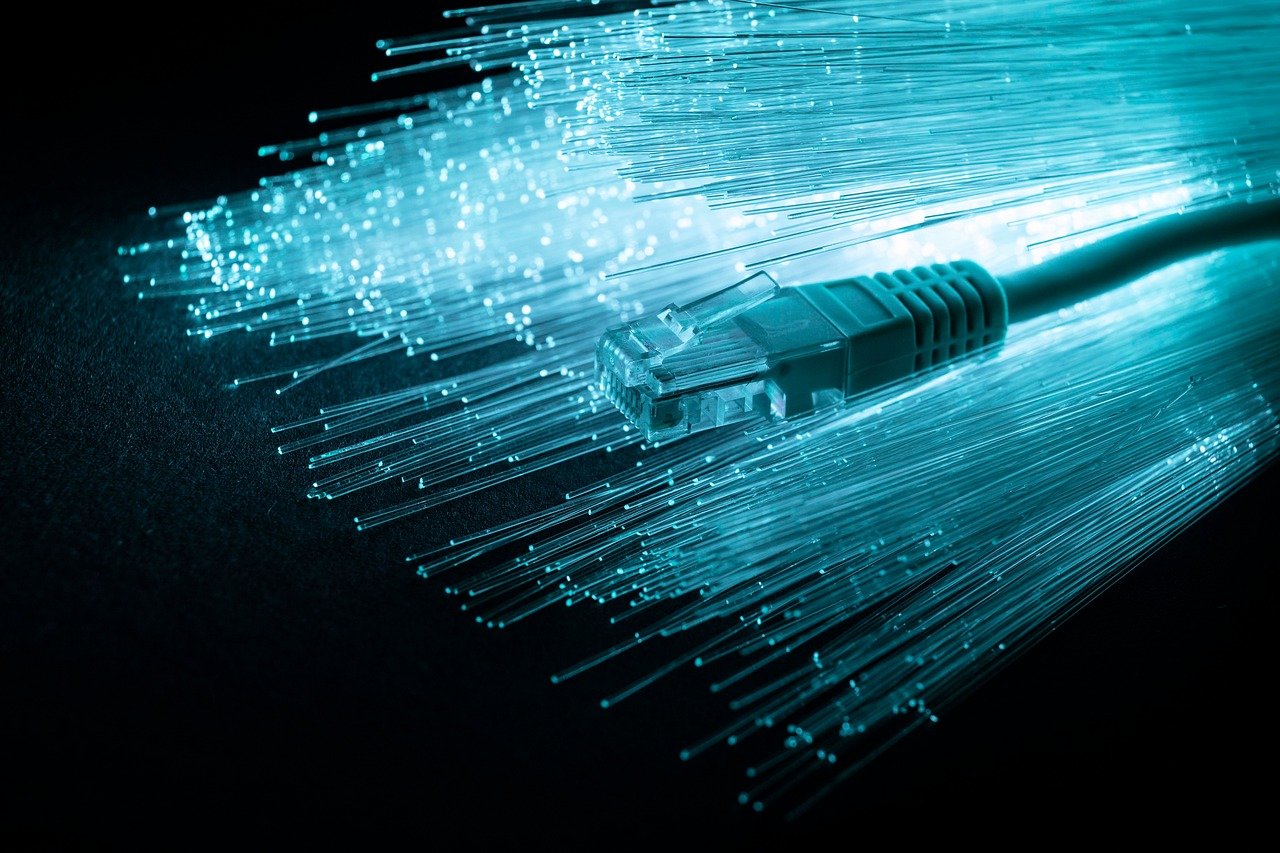
As digital connectivity becomes the backbone of modern life, fiber optic cables continue to dominate discussions around high-speed internet, telecommunications, and data transmission. From smart cities and 5G networks to data centers and cloud computing, fiber optics plays a critical role. However, like any technology, fiber optic cables come with both strengths and limitations.
In this blog, we explore the top advantages and disadvantages of fiber optic cables in 2025, helping businesses, homeowners, and IT professionals make informed decisions.
Understanding Fiber Optic Cable Technology
Fiber optic cables transmit data using light signals through strands of glass or plastic fibers. Unlike traditional copper cables that rely on electrical signals, fiber optics allow data to travel at near-light speeds, making them ideal for modern high-bandwidth applications.
With increasing demand for faster, more reliable connectivity in 2025, fiber optics are no longer optional, they are becoming essential infrastructure.
Top Advantages of Fiber Optic Cables
- Extremely High-Speed Data Transmission
One of the most significant advantages of fiber optic cables is their exceptional speed.
- Supports multi-gigabit and terabit speeds
- Ideal for streaming, gaming, cloud computing, and AI workloads
- Minimal latency compared to copper cables
In 2025, as remote work, VR, and real-time applications grow, fiber optics deliver the speed required for seamless performance.
- Superior Bandwidth Capacity
Fiber optic cables can carry massive amounts of data simultaneously without congestion.
- Handles high data traffic effortlessly
- Supports future network expansion
- Ideal for businesses, data centers, and smart infrastructure
Unlike copper cables, which degrade with higher bandwidth usage, fiber remains efficient even under heavy loads.
- Long-Distance Transmission with Minimal Signal Loss
Fiber optics can transmit signals over much longer distances without degradation.
- Reduced need for signal boosters
- Consistent performance across long routes
- Perfect for telecom backbones and rural connectivity
This makes fiber optic networks more reliable and cost-effective over time.
- Resistance to Electromagnetic Interference
Fiber optic cables are immune to electromagnetic and radio-frequency interference.
- No signal distortion near power lines or heavy machinery
- Enhanced data integrity
- Ideal for hospitals, industrial sites, and data-sensitive environments
This advantage ensures consistent, secure communication even in electrically noisy environments.
- Enhanced Security
Fiber optic cables offer higher levels of data security.
- Difficult to tap without detection
- No electromagnetic emissions
- Ideal for financial institutions and government networks
In an era where cybersecurity threats are rising, fiber optics provide an extra layer of physical security.
- Lightweight and Space-Efficient
Fiber optic cables are thinner and lighter than copper alternatives.
- Easier to install in crowded conduits
- Reduces structural load
- Enables higher cable density
This makes fiber ideal for modern buildings, high-rise apartments, and large data centers.
Disadvantages of Fiber Optic Cables
Despite their advantages, fiber optic cables are not without challenges.
- Higher Initial Installation Cost
One of the main drawbacks of fiber optics is the upfront cost.
- Expensive materials
- Specialized installation equipment required
- Skilled technicians needed
Although long-term savings often offset the cost, initial investment can be a barrier for small businesses and homeowners.
- Fragility Compared to Copper
Fiber optic cables are more delicate than traditional copper cables.
- Glass fibers can break if bent excessively
- Requires careful handling during installation
- Repairs need trained professionals
This fragility increases installation and maintenance complexity.
- Complex Repair and Maintenance
Repairing fiber optic cables is more complicated than fixing copper wiring.
- Requires splicing equipment
- Needs skilled technicians
- Repairs may take longer
In remote areas, access to specialized repair services can be limited.
- Limited Power Transmission
Unlike copper cables, fiber optics cannot carry electrical power.
- Separate power sources needed for network devices
- Not suitable for applications requiring power delivery
- Limits certain industrial uses
This means fiber networks must rely on additional electrical infrastructure.
- Availability and Infrastructure Limitations
In 2025, fiber coverage has expanded significantly, but availability remains uneven.
- Rural and remote areas may still lack access
- Infrastructure rollout can be slow
- Depends heavily on government and private investment
For some users, fiber remains unavailable or expensive to deploy.
Compatibility Issues with Legacy Systems
Older systems may not be fully compatible with fiber optic technology.
- Requires converters or adapters
- Legacy hardware may need replacement
- Increases upgrade costs
Organizations transitioning from copper to fiber may face temporary integration challenges.
Fiber Optic Cables in 2025: Are They Worth It?
The answer largely depends on your needs.
Best Suited For:
- High-speed internet users
- Businesses handling large data volumes
- Data centers and cloud service providers
- Smart homes and smart cities
May Not Be Ideal For:
- Temporary installations
- Extremely low-budget projects
- Areas without fiber infrastructure
Despite the drawbacks, fiber optics remain the gold standard for modern connectivity.
Future Outlook of Fiber Optic Technology
As we move further into 2025 and beyond:
- Installation costs are gradually decreasing
- Government-backed broadband initiatives are expanding coverage
- Fiber is becoming the foundation for 5G and 6G networks
- Hybrid fiber solutions are improving flexibility
Innovations such as bend-insensitive fibers and easier splicing techniques are addressing many of today’s limitations.
Final Thoughts
Fiber optic cables represent the future of communication and data transmission. Their unmatched speed, reliability, security, and scalability make them indispensable in a digitally driven world. While challenges such as cost, fragility, and availability remain, ongoing technological advancements continue to reduce these barriers.
For those seeking long-term performance and future-ready connectivity, fiber optic cables in 2025 are a powerful investment. Understanding both their advantages and disadvantages ensures you can make informed decisions and maximize the value of this transformative technology.