
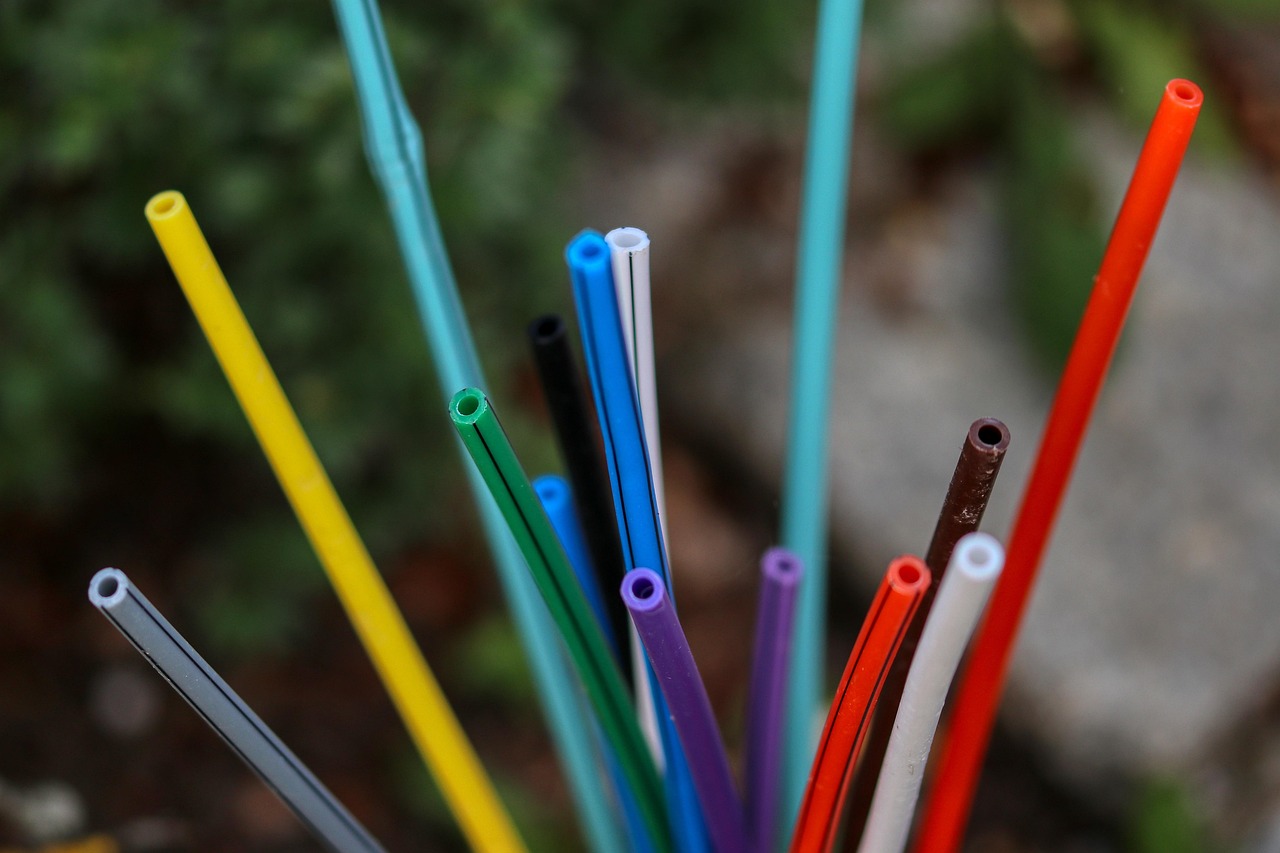
Fiber optic cables have become the backbone of modern communication systems, offering unparalleled speed, bandwidth, and reliability. But not all fiber optic cables are built the same. Among the most widely used types are loose-tube fiber and tight-buffered fiber, each engineered for specific environments and applications.
For installers, network engineers, and businesses planning communication infrastructure, choosing the right type of fiber cable can make the difference between seamless network performance and frequent maintenance issues.
This guide breaks down the differences between loose-tube and tight-buffered cables, their ideal use cases, and the best practices to follow for indoor and outdoor installations.
Understanding Loose-Tube Fiber Optic Cables
Loose-tube fiber cables are designed primarily for outdoor environments where cables are exposed to moisture, temperature fluctuations, and physical stress.
Key Features
- Gel or Water-Blocking Technology
Fibers are housed inside protective tubes filled with gel or water-blocking powder, which prevents moisture ingress.
- High Tensile Strength
They are engineered to withstand pulling forces during long-distance underground or aerial installations.
- Lightweight and Flexible
Loose-tube designs allow fibers to move freely within the tube, reducing strain during temperature changes.
- UV & Weather Resistance
Suitable for harsh environments, from underground ducting to exterior walls.
Typical Applications
- Long-distance outdoor networks
- Underground duct installations
- Aerial cable runs on poles
- Campus-to-campus connections
- Data centers requiring outdoor runs
Loose-tube cables are the industry standard for environments where protection against water, heat, and physical tension is critical.
Understanding Tight-Buffered Fiber Optic Cables
Tight-buffered cables are designed mainly for indoor use, offering easier handling, faster termination, and better fire-safety properties.
Key Features
- 900-Micron Buffer Coating
Each fiber is tightly coated for strength and flexibility, ideal for quick connectorization.
- Rugged Durability
Superior crush resistance and easier stripping make them perfect for indoor cable management.
- Fire-Rated Jackets
Many tight-buffered cables meet building safety standards such as:
- LSZH (Low Smoke Zero Halogen)
- Plenum-rated
- Riser-rated
- Easy to Install
No gel-cleaning required, reducing labour time and cost.
Typical Applications
- Inside buildings
- Server rooms and IT closets
- Backbone cabling within floors
- Fibre patching and inter-building connections
- Indoor drop cables to equipment
Tight-buffered cables shine in structured cabling systems where ease of installation and safety compliance are priorities.
Best Practices for Outdoor Installations (Using Loose-Tube Fiber)
Outdoor environments pose unique challenges such as weather, rodents, moisture, and shifting soil. To ensure longevity and reliability, follow these best practices:
- Choose the Right Jacket Material
For harsh conditions, select:
- PE (Polyethylene) for UV resistance
- Armoured cable for rodent protection
- Double-jacketed designs for extra durability
- Use Proper Water-Blocking Technology
Ensure the cable has either:
- Gel-filled tubes, or
- Dry water-blocking powder
Both prevent fiber damage due to water ingress.
- Avoid Excessive Pulling
Loose-tube cables have high tensile strength but must still be installed within rated pulling limits to prevent microbending.
- Protect Cables Against Sharp Bends
Follow minimum bend radius recommendations to avoid fiber attenuation.
- Plan for Thermal Expansion
Loose fibers must move freely within the tubes, especially in extreme heat or cold.
- Use Splice Closures for Outdoor Splicing
These keep out dust, water, and insects while ensuring long-term network integrity.
Best Practices for Indoor Installations (Using Tight-Buffered Fiber)
Indoor networks require safe, flexible, and compliant cabling solutions. Tight-buffered fibers excel here, but proper installation guidelines are essential.
- Select Fire-Rated Cables
Depending on the building area, use:
- Plenum-rated cables (ceilings, air ducts)
- Riser-rated cables (vertical shafts)
- LSZH jackets (safety-critical buildings)
- Use Cable Management Systems
Organised routing using:
- Fiber trays
- Conduits
- Ladder racks
reduces strain and protects fibers from accidental damage.
- Keep Bend Radius Under Control
Tight-buffered fibers offer better flexibility but still require proper bend radius to maintain performance.
- Use Quick-Connect Termination
These allow:
- Faster installation
- Reduced labour cost
- Reliable optical performance
- Avoid Mixing Cable Types Without Purpose
Transition points between indoor and outdoor cables should be clearly marked and properly terminated.
- Maintain Clean Connectors
Contamination is one of the top causes of indoor fiber signal loss.
Can Loose-Tube Fiber Be Used Indoors?
Yes, but carefully.
When outdoor cables enter a building, they must be:
- Fire-rated for indoor use, or
- Terminated at a building entrance point
Loose-tube cables are not recommended for long indoor runs because:
- They lack fire safety ratings
- They require special termination
- Gel clean-up is time-consuming
For short entry points, they are acceptable when properly protected.
Can Tight-Buffered Fiber Be Used Outdoors?
Tight-buffered cables can be used outdoors only for short distances and only if the jacket is:
- UV-resistant
- Water-resistant
- Temperature rated
However, they are not ideal for long-term outdoor exposure or extreme environments.
Which One Should You Choose? (Simple Decision Guide)
Choose Loose-Tube Fiber If:
- Your installation is mostly outdoors
- You need long-distance runs
- Moisture protection is important
- The cable will be buried or aerial
Choose Tight-Buffered Fiber If:
- Your installation is inside a building
- You need easy termination
- Fire ratings matter
- Flexibility is important
Final Thoughts
Both loose-tube and tight-buffered fiber cables offer excellent performance, but their effectiveness depends on where and how they’re installed. Loose-tube fiber is the reliable champion for outdoor environments, offering superior protection against weather and distance. Tight-buffered fiber, on the other hand, is the best choice for indoor structured cabling, delivering easy handling, fast termination, and essential fire safety compliance.
By understanding their structural differences and following best practices for installation, network designers and installers can ensure optimal fiber performance, durability, and safety, whether for enterprise networks, industrial facilities, data centers, or large outdoor campuses.